What is one part of your lessons you always feel confident about when planning? Why?
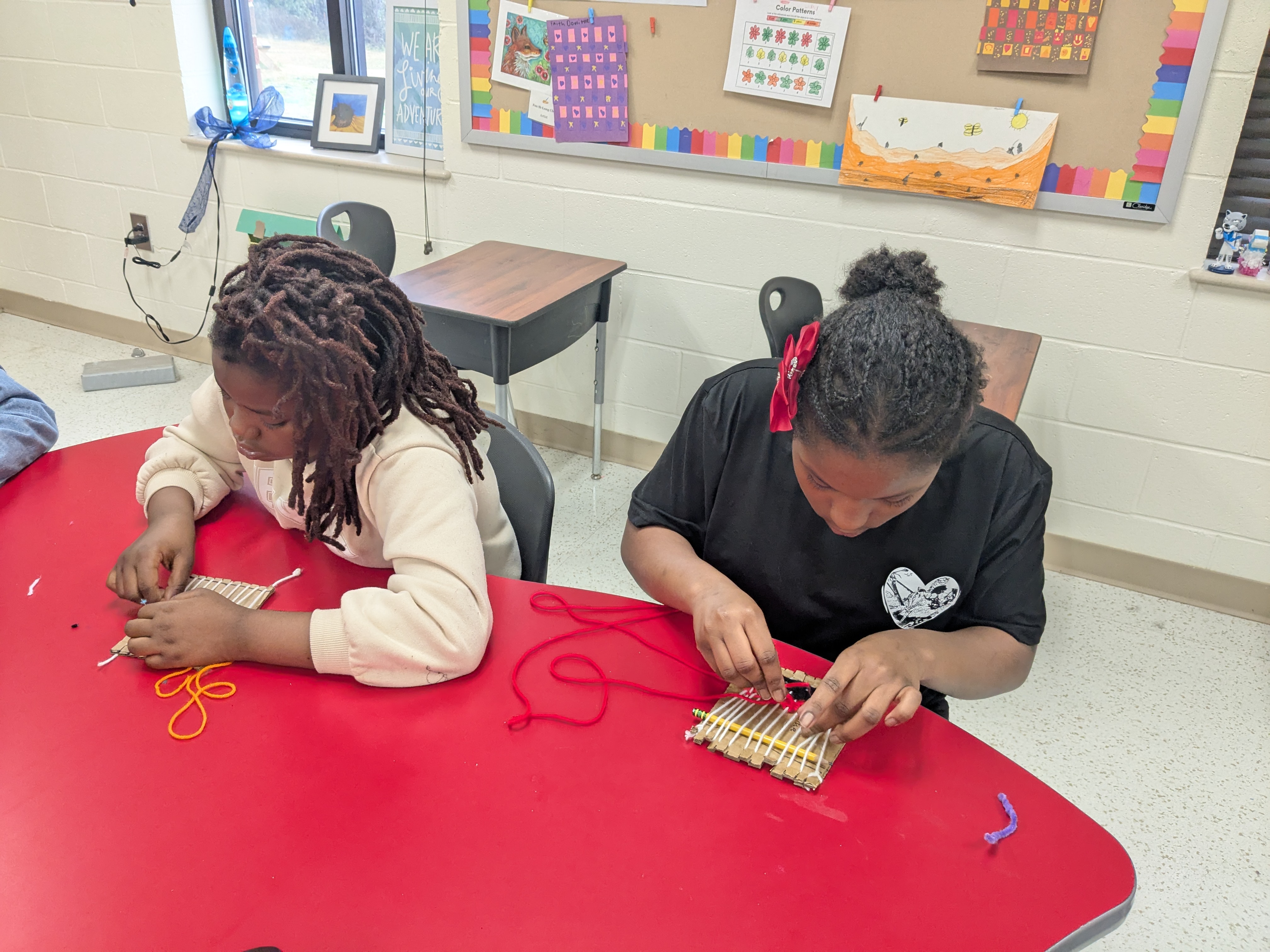
As an artist, I am always confident in designing learning experiences that are unique, memorable, and unlike anything found in a standard curriculum template. Most of my lesson plans are built entirely from scratch and rooted in my personal experiences as a working artist. Because of this untraditional approach, I visualize the artistic process first—imagining how students will move, create, and problem‑solve—and then I identify the learning targets and success criteria that naturally emerge from that process.
This ensures that both skills and knowledge are actively engaged in my classroom. I can confidently tell my students that the activities we do, and the ways they learn with me, are experiences they will not encounter in another art class or with another art teacher.
What is one part of your lessons that you are really intentional about or is a non‑negotiable for you? Why?
Every art lesson I teach is grounded in my personal philosophy and core principles, regardless of the specific content. These non‑negotiables include:
- Art is a process, not a product — focus on creativity through exploration, trials & errors
- Focus on effort, not materials — effort is a skill that transfers to every subject
- Practice makes perfect, not a first attempt—the more you do it, the prettier it’ll look
- Patience is a virtue, not a waiting period — art teaches students to slow down and think deeply
I emphasize these principles because they are the foundation for learning anything—not just art. Many students come into specials classes with the misconception that they are “not real classes,” and they often shift into a different mindset than they would in a general education setting.
To counter this, I intentionally integrate academics such as history, geometry, and literature into my art lessons. By blending subject areas, I blur the boundaries between specials and general education. My art‑infused lessons reinforce and extend what students are learning elsewhere, helping them see that art is connected to every part of their education.
What are some ideas you are thinking about implementing into your own learning environment?
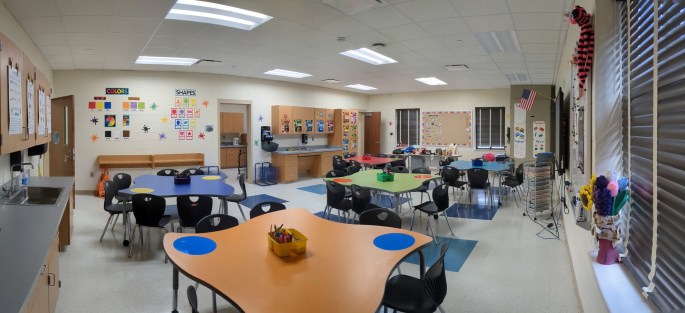
As an art teacher, my procedures and classroom rituals differ significantly from those of a general education classroom. They also vary greatly by grade level, as I teach students from PreK through fifth grade. Even among specials teachers, procedures can look very different. It took considerable trial and error for me to establish routines that work effectively in my classroom.
As an artist and graphic designer by training, I created many visual flyers to communicate rules and expectations, especially for younger students who cannot yet read. These visuals are printed and displayed throughout my classroom. I also maintain frequent communication with homeroom teachers and intentionally learn from the classroom management techniques they already have in place.
As a specials teacher, I see approximately 400 students each week, yet I only have 45 minutes with each class. Because of this limited time, I use every minute intentionally. Each art activity helps me learn more about my students’ families, experiences, strengths, and areas for growth. I support students’ individual needs through strategies such as flexible seating arrangements, including placing students with behavioral challenges closer to me.
It took time for me to put effective classroom management practices into place and to continue modifying them based on my students. There is no one-size-fits-all approach—successful management requires flexibility, reflection, and ongoing adjustment.
What are some specific things you have done with respect to each of these areas:
● Attitudes, perceptions, and expectations?
● Student engagement?
● Student achievement?
Recognizing Bias as a Tool for Growth
Recognizing my own biases has been instrumental in improving my classroom management practices. I discovered that I held negative expectations for certain students—those I anticipated would struggle with following directions or who seemed reluctant to engage in art class. Rather than examining the root of their behavior, I unconsciously reinforced those negative patterns by calling them out immediately, spending less time with them, and reducing overall engagement opportunities.
The Impact of Bias on Classroom Climate
This biased approach created a self-fulfilling prophecy and fostered a negative classroom environment that affected the entire class. Students are perceptive; they recognize when they are unwanted or treated differently. When students feel unsupported or unfairly targeted, they disengage, and learning becomes impossible.
Shifting from Reactive to Proactive
Through reflection and intentional practice, I learned to reframe my bias into preparation and motivation. Rather than reacting emotionally to challenging behavior, I now approach these students with rational structure and deliberate support. I reset my initial impressions, adjust my tone, and proactively build relationships with students who need it most. When students experience a teacher responding to challenges with calm, intentional support rather than emotional reaction, they feel valued and cared for in the classroom.
The Teacher’s Role in Creating Climate
Ultimately, students shape classroom dynamics, but teachers control the response. When students understand they are supported rather than punished, they flourish. It is our responsibility as educators to model the emotional regulation and intentionality we hope to cultivate in our students.
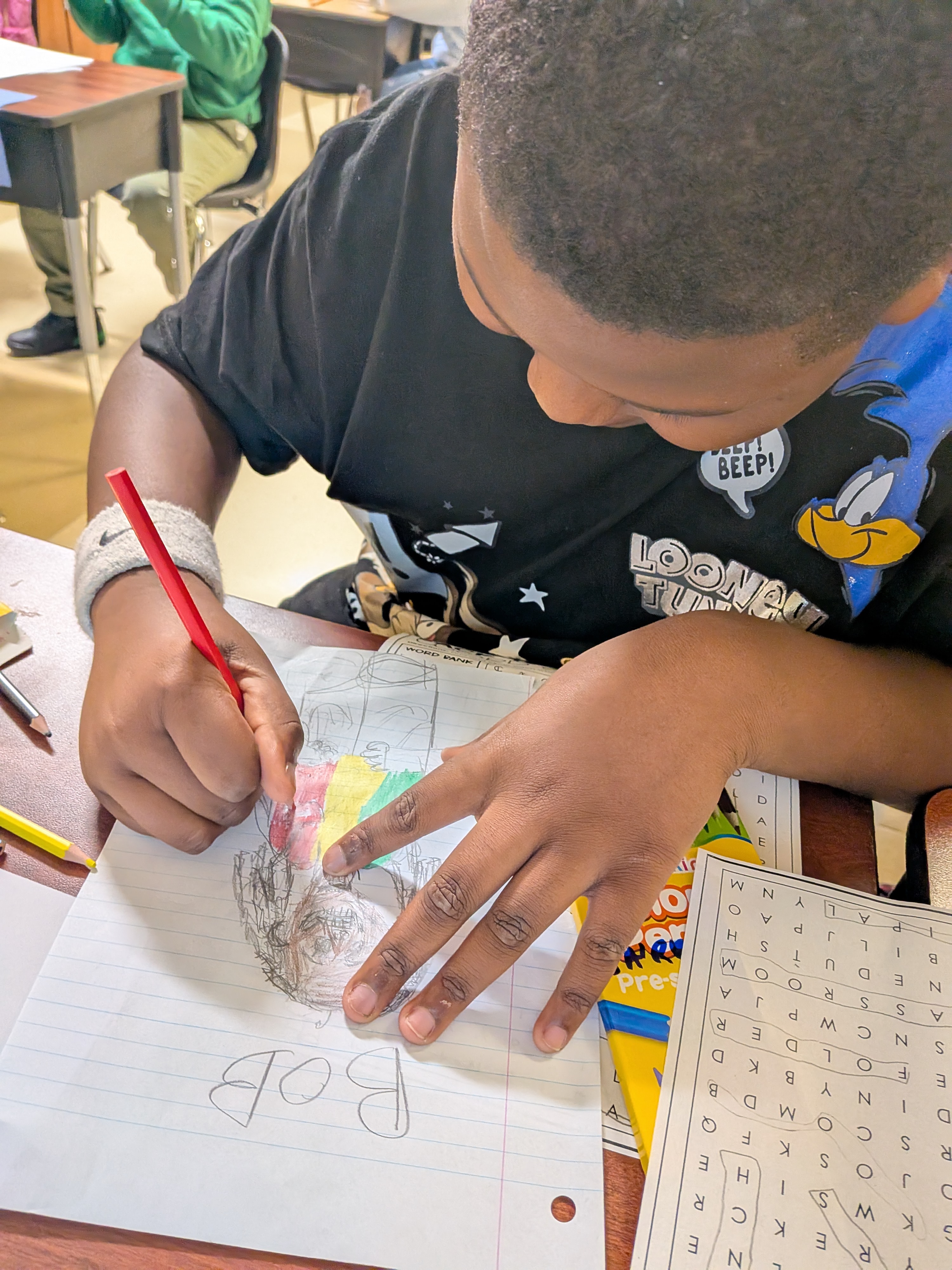
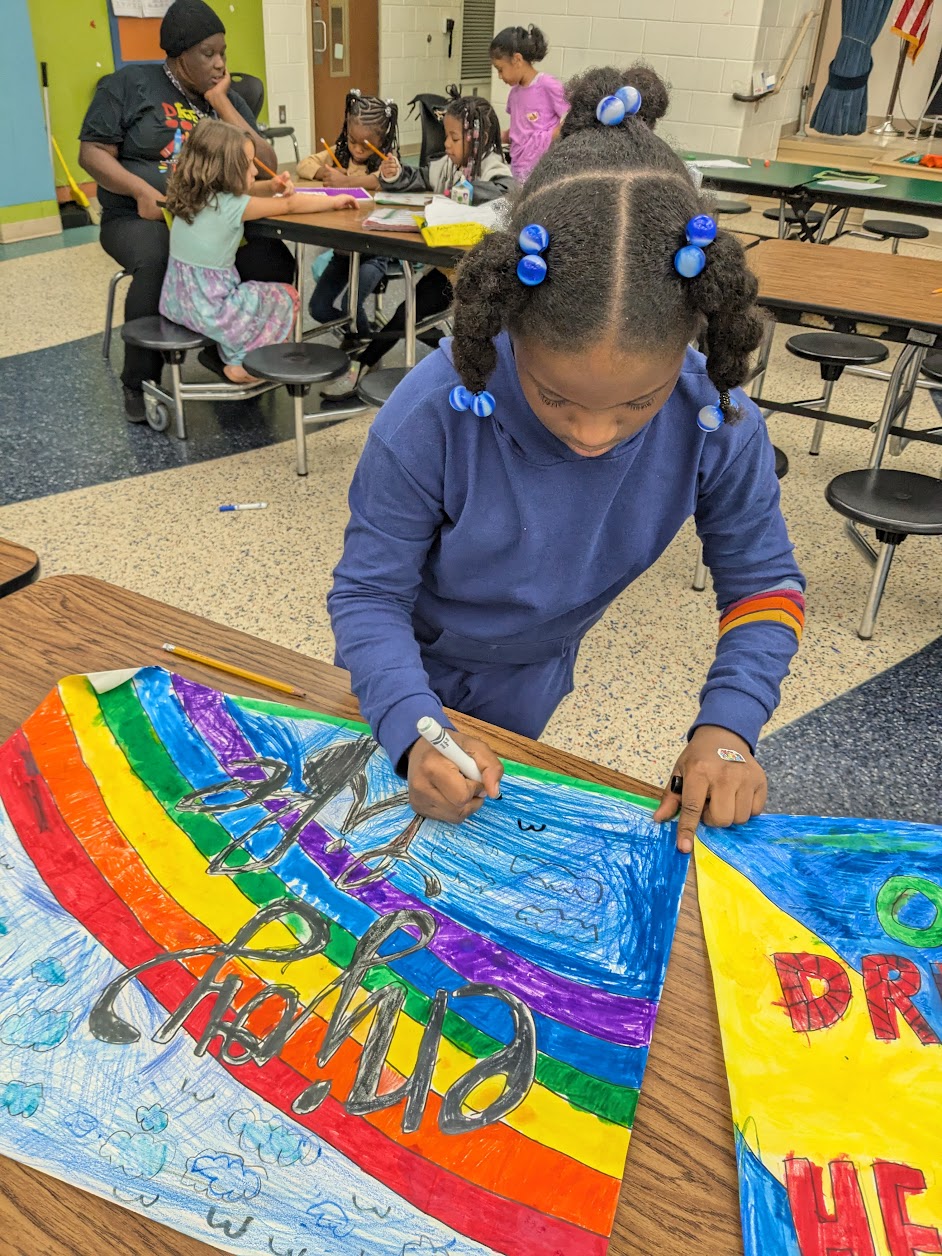
As an art teacher, expression is endless and I’ve learned so much about my students’ mentality through art. I also play a game where I depict the artist based on their artwork without looking at their name.
“This artist must be very bold because of the dark colors and thick amount of paint, etc”
“This artist must be very patient and calm because of the amount of details in this drawing”
Then at the end I’d reveal the student’s name for myself and for the whole class to see if my description was accurate (almost most of the time).
What are some strategies you are using or plan to use to know your students this year?
Little fun note: I have a tendency to mix up sibling’s names. To combat that, I told the student that I will give them a candy if I made a mistake in their name. This is a gateway I slightly open for them to remind me/ correct me if I do something wrong intentionally or unintentionally. I have made several mistakes in my teaching career, forgetting the timer, not passing out all the materials, etc. For my forgetfulness, I encourage my students to remind me and take ownership. I wish use paint brush the wrong way to test to see if they caught on a mistake and describe a way to fix it. I do that in order to promote autonomy in the students.